
Uganda Self-Drive Safari: What You Need to Know Before You Go
Uganda is one of Africa’s most rewarding countries to explore by road. From the misty mountains of Bwindi to the open savannah of Queen Elizabeth National Park and the dramatic landscapes of Murchison Falls, a self-drive safari gives you the freedom to experience the country at your own pace.
But a great self-drive adventure starts with good preparation.
Here is what you should know before getting behind the wheel.
Choose the right vehicle
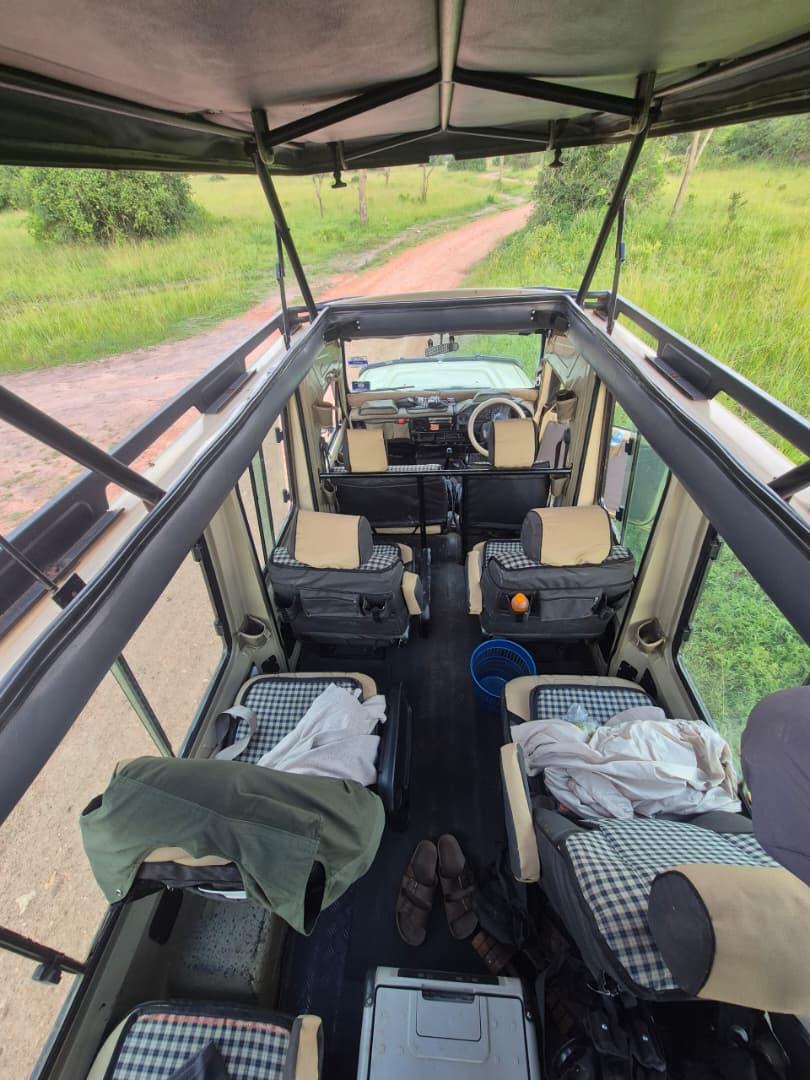
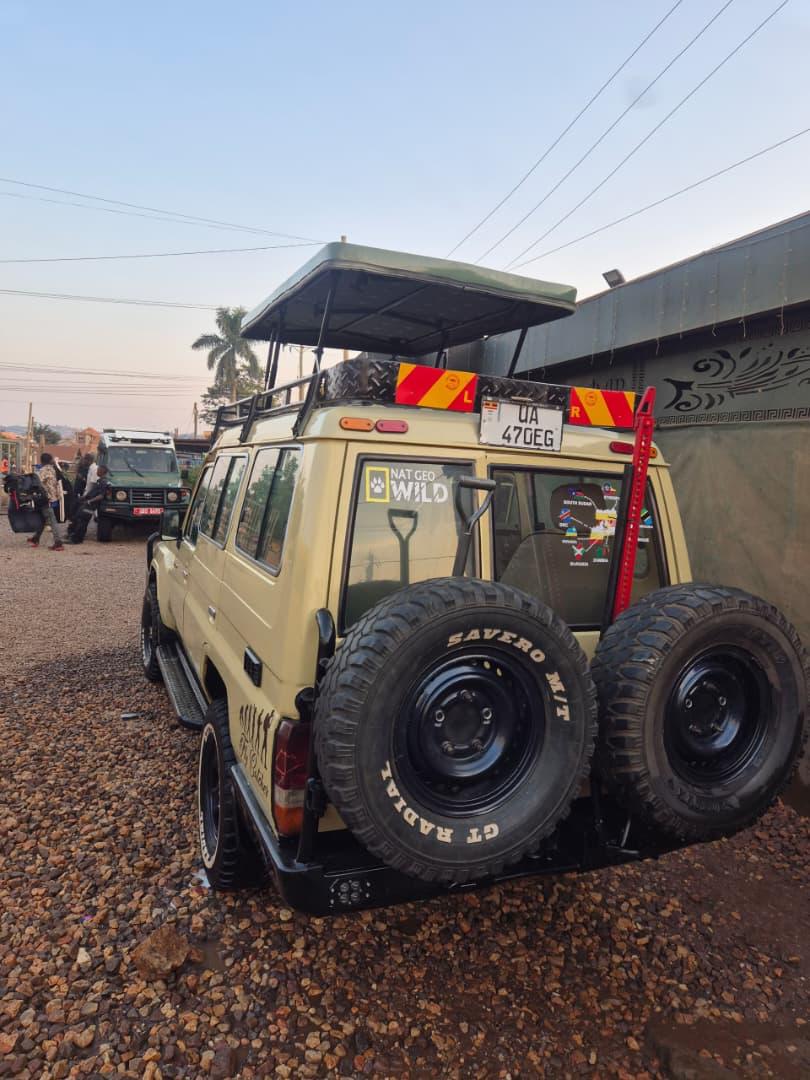
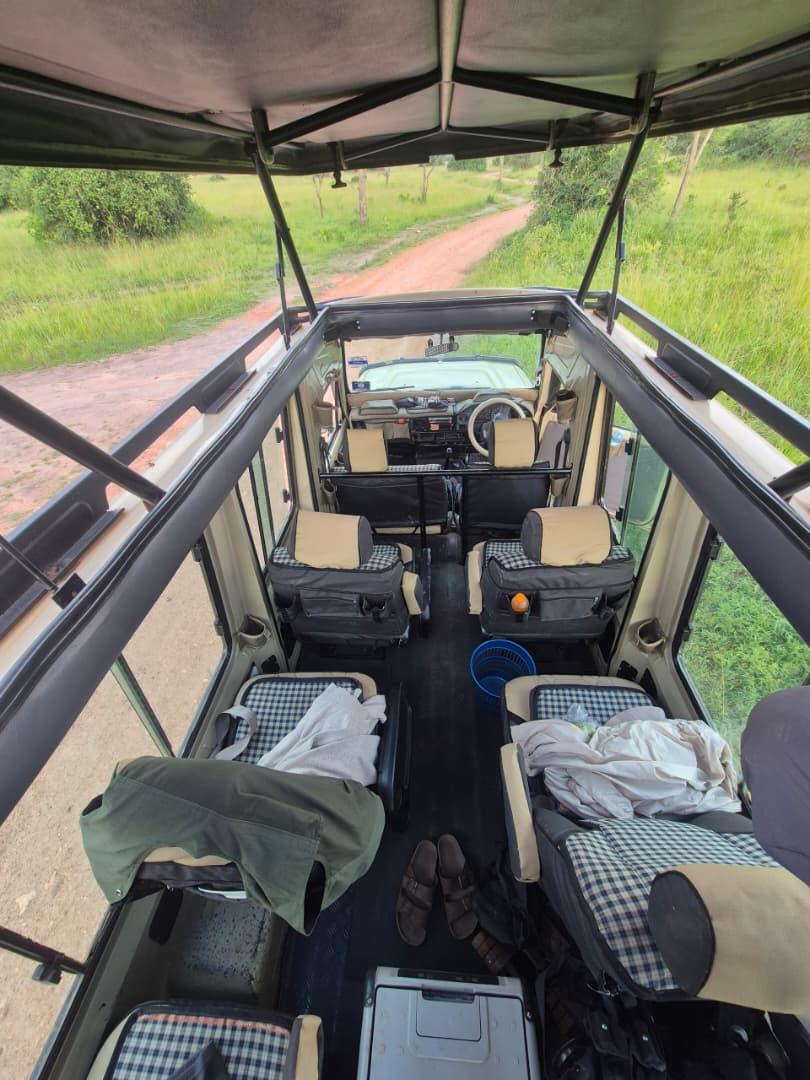
For a Uganda safari, your vehicle matters.
A reliable 4x4 is the safest choice, particularly if your journey includes national parks, remote areas or unpaved roads. Roads can change quickly depending on the weather, and some routes include rough tracks, mud, steep sections and corrugations.
A good safari vehicle should have enough ground clearance, good tyres and enough space for passengers and luggage. Before leaving, check the spare tyre, jack, basic tools and fuel situation.
Plan your route — but leave room for adventure
One of the best things about self-driving is having the freedom to stop when you want.
Popular routes include Kampala to Murchison Falls, Queen Elizabeth National Park to Bwindi, and longer circuits connecting several national parks.
Don't try to cover everything in one trip. Uganda is larger than many first-time visitors expect, and driving times can be affected by road conditions, traffic, weather and stops along the way.
A well-planned route should balance driving with time to actually enjoy each destination.
Understand Uganda's roads
Major highways connecting Uganda's cities are generally straightforward to navigate, but conditions can change once you leave the main roads.
Inside and around national parks, expect dirt roads, uneven surfaces and occasional muddy sections, particularly during rainy periods.
Drive according to the conditions rather than relying only on the distance shown on a map. A journey that looks short on paper can take considerably longer on a safari route.
It's also worth avoiding unnecessary night driving, especially on unfamiliar rural roads.
Fuel and supplies
Fuel stations become less frequent as you move into remote areas, so don't wait until the tank is nearly empty.
Fill up whenever you have a reliable opportunity, particularly before heading into remote parts of a safari circuit.
Carry drinking water and a few basic supplies in the vehicle. Offline maps are also useful because mobile coverage can be inconsistent in some rural and park areas.
Take your time in the national parks
A self-drive safari isn't about reaching the next destination as quickly as possible.
Some of the best moments happen when you slow down.
You might come across elephants crossing the road, a herd of buffalo in the distance, giraffes feeding beside the track or a spectacular sunset with nothing around you but the African wilderness.
Inside national parks, follow the park's rules, respect speed limits and give wildlife plenty of space.
Never assume an animal is harmless simply because it is standing beside the road.
Where should you stay?
Your accommodation can shape the entire safari experience.
Staying near or inside a national park can reduce long drives and give you more time for game drives and exploring. Lodges, camps and guesthouses range from simple budget options to comfortable luxury properties.
When planning your route, choose accommodation based not only on price but also on location. A cheaper room several hours away may ultimately cost you more time and fuel.
The freedom of self-drive
The biggest advantage of a self-drive safari is flexibility.
You decide when to leave, where to stop and how long to stay. You can take a quiet road, spend longer at a viewpoint or stop for photographs without following a fixed group itinerary.
That freedom comes with responsibility, though. You need to understand the route, prepare for changing conditions and know when to ask for local advice.
That's where good planning makes the difference.
Travel independently. Never travel alone.
A Uganda self-drive safari doesn't mean you have to figure everything out yourself.
With the right vehicle, route planning, accommodation and reliable on-road support, you can enjoy the independence of driving while still having help when you need it.
Uganda rewards travellers who are willing to slow down, explore beyond the obvious and let the road become part of the adventure.
So plan your route, prepare your vehicle, pack your essentials — and leave some space in your itinerary for the unexpected.
**Your Africa. Your way.**